









In the Philippines, 39% of the population has digital and mobile access, yet a significant portion still faces barriers preventing its practical use. This digital divide extends to financial services, where the global majority remains excluded, mainly due to unstable or non-existent internet connections. The core issue here is not mainly about access– it’s enabling consistent activity.
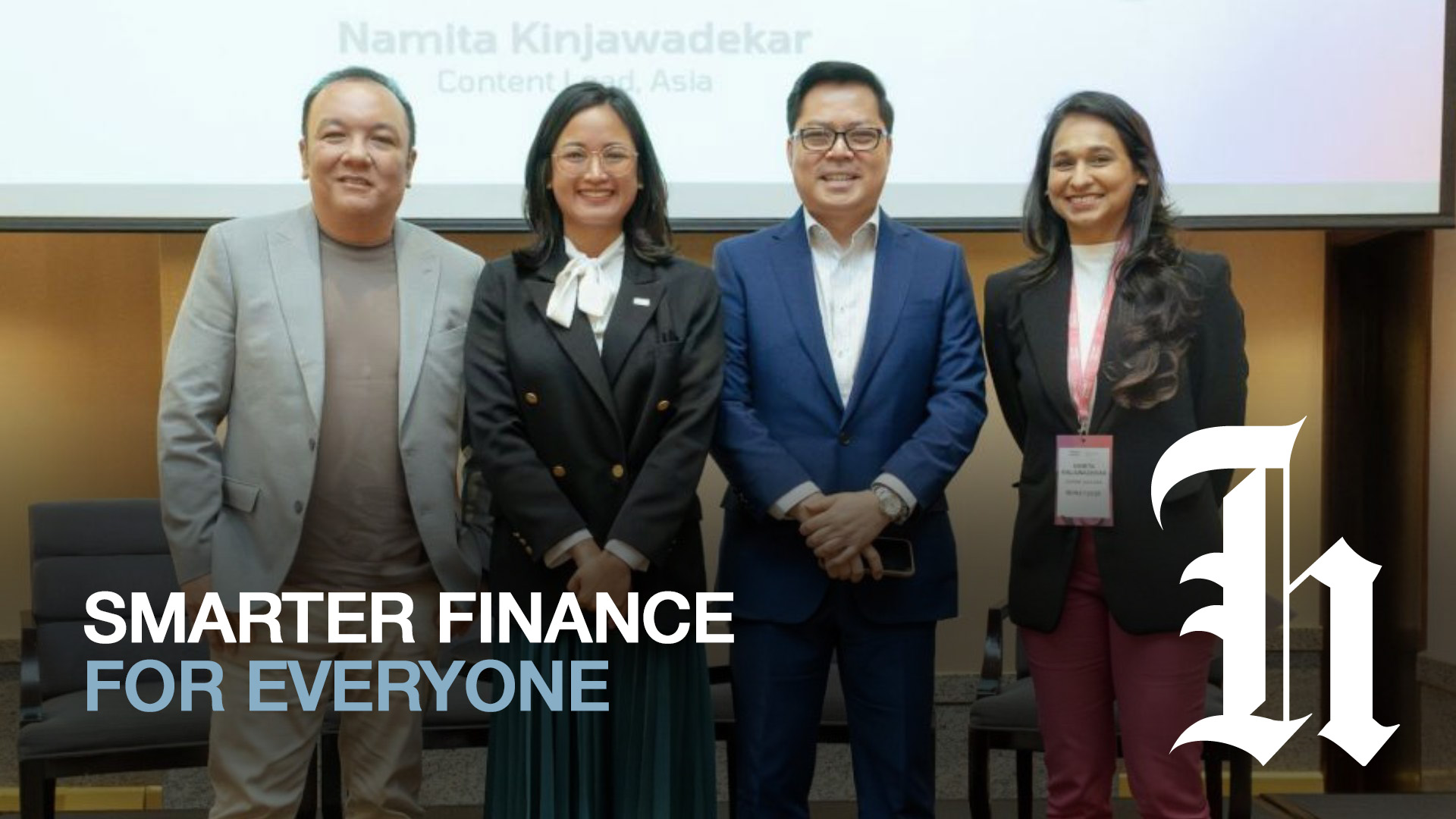
This was the central theme at the Money 20/20 Philippine Summit in Manila, where fintech solutions were discussed to ensure no Filipino is left behind. It highlights the reality on the ground that without reliable internet, achieving financial inclusion remains a challenge to the private sector to innovate for “zero connectivity” environments across the country.
Private Sector Offline-First Solutions To Digital Divide
Despite improvements in the digital landscape, there are still significant friction points in enhancing connectivity for both the industry and the regulators.
During the event, Melchor Plabasan, Senior Director of the Technology Risk and Innovation Supervision Department (TRISD) of Bangko Sentral ng Pilipinas (BSP), stated that unstable internet hinders security protocols and disrupts transaction finality for fintech companies, while regulators struggle to democratize access beyond urban centers to reach the last mile.
The panel shared several private sector innovations designed to reach the country’s low connectivity communities. This includes online lending platforms (OLAs) deploying internet in Geographically Isolated and Disadvantaged Areas (GIDA), optimizing products for low bandwidth, and expanding payment channels with partners and web-based options.
Lito Villanueva, Executive Vice President and Chief Innovation & Inclusion Officer of RCBC, and the Founding Chairman of FinTech Alliance PH, highlighted agency banking as a vital solution for the Philippines’ unique geography. By partnering with local sari-sari stores, pawnshops, and logistics centers, banks and fintech companies can provide rural areas with access to cash services, bill payments, and loan disbursements, enabling basic financial transactions within their own communities.
External Affairs Director at Tala Philippines and President of the Consumer Lending Association of the Philippines Inc. (CLAP), Arianne Ferrer, expounds on this, believing that DPI is what the country needs for national financial inclusion. DPI creates a standardized system that enables companies to cater to offline transactions by ensuring high quality data and updated information and reducing the risk of fraud.
“When the government facilitates simple, low cost, and equitable access to information from IDs, it increases trust and brings more Filipinos within the formal financial ecosystem. We support building a strong digital public infrastructure so that instead of voluminous, varying information from different IDs, a single ID becomes the key to a verifiable, centralized, and high-quality repository of official information and digital transactions relevant to each Filipino,” Ferrer said.
Advancing Financial Inclusion Through Digital Access
As a pioneering advocate for the global majority, Tala is building a global infrastructure by leveraging AI, transforming digital access into opportunities for inclusive growth.
The platform uses alternative and behavioral data for its credit scoring model, using this as a basis in developing its app to deliver services to users. It fosters long-term financial confidence through flexible, online credit and its fast and hassle-free approval of loans that can be accessible with just one valid ID and an Android phone. This allows users to have control over their borrowed amounts. Loans can be disbursed or paid through partner outlets and online channels within 15-61 days.
Tala also has its online and on-ground financial literacy efforts, the TALAkayan workshop series, providing essential guidance on saving and security through simplified personal finance.
Tala Philippines’ General Manager, Moritz Gastl, will be part of a panel at the upcoming Money 20/20 Asia and Policy 20 in Bangkok this April, offering deeper industry insights on the industry and digital finance.
As digital finance continues to grow, addressing connectivity challenges remains key to expanding financial inclusion across the Philippines.