

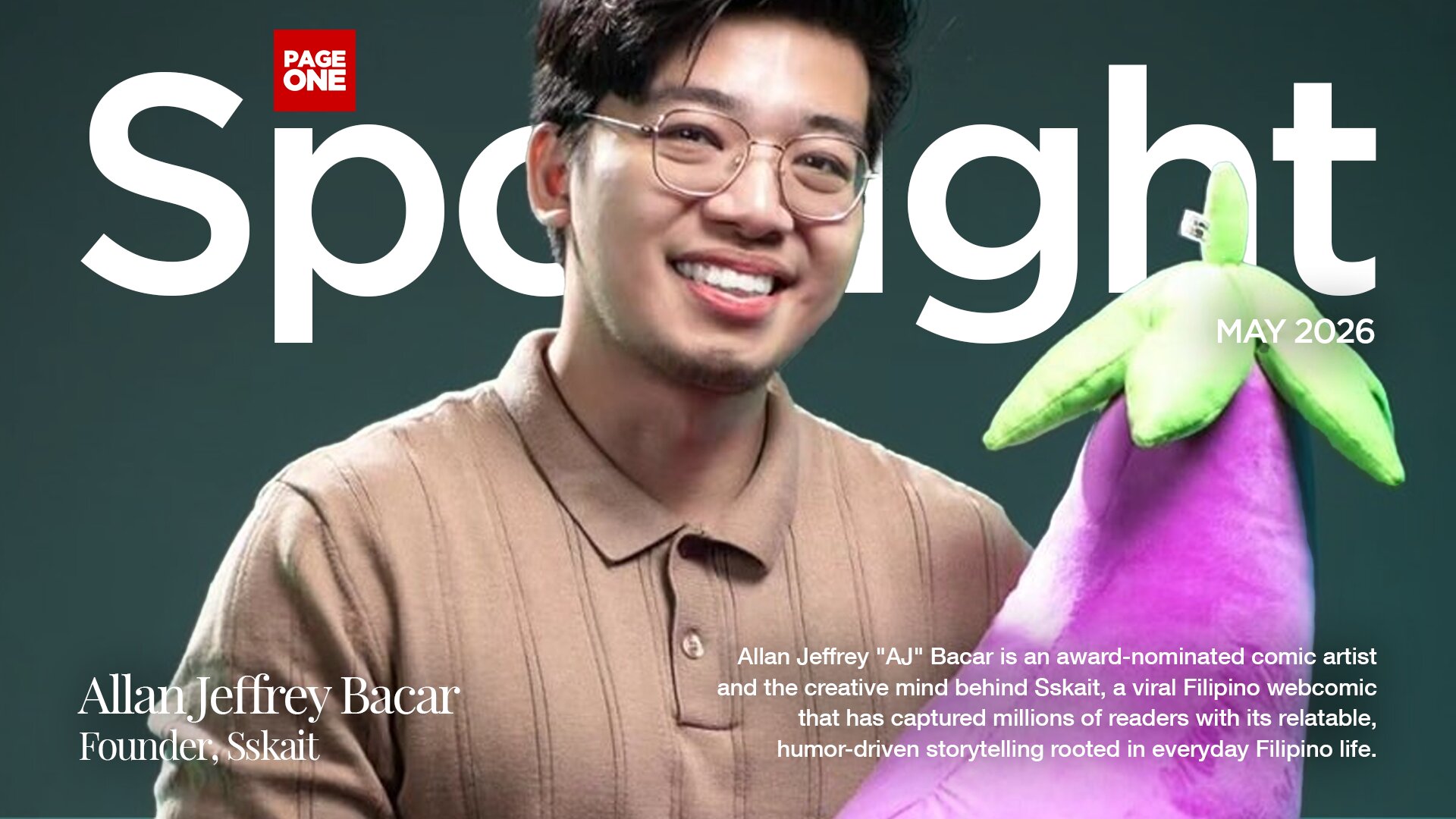







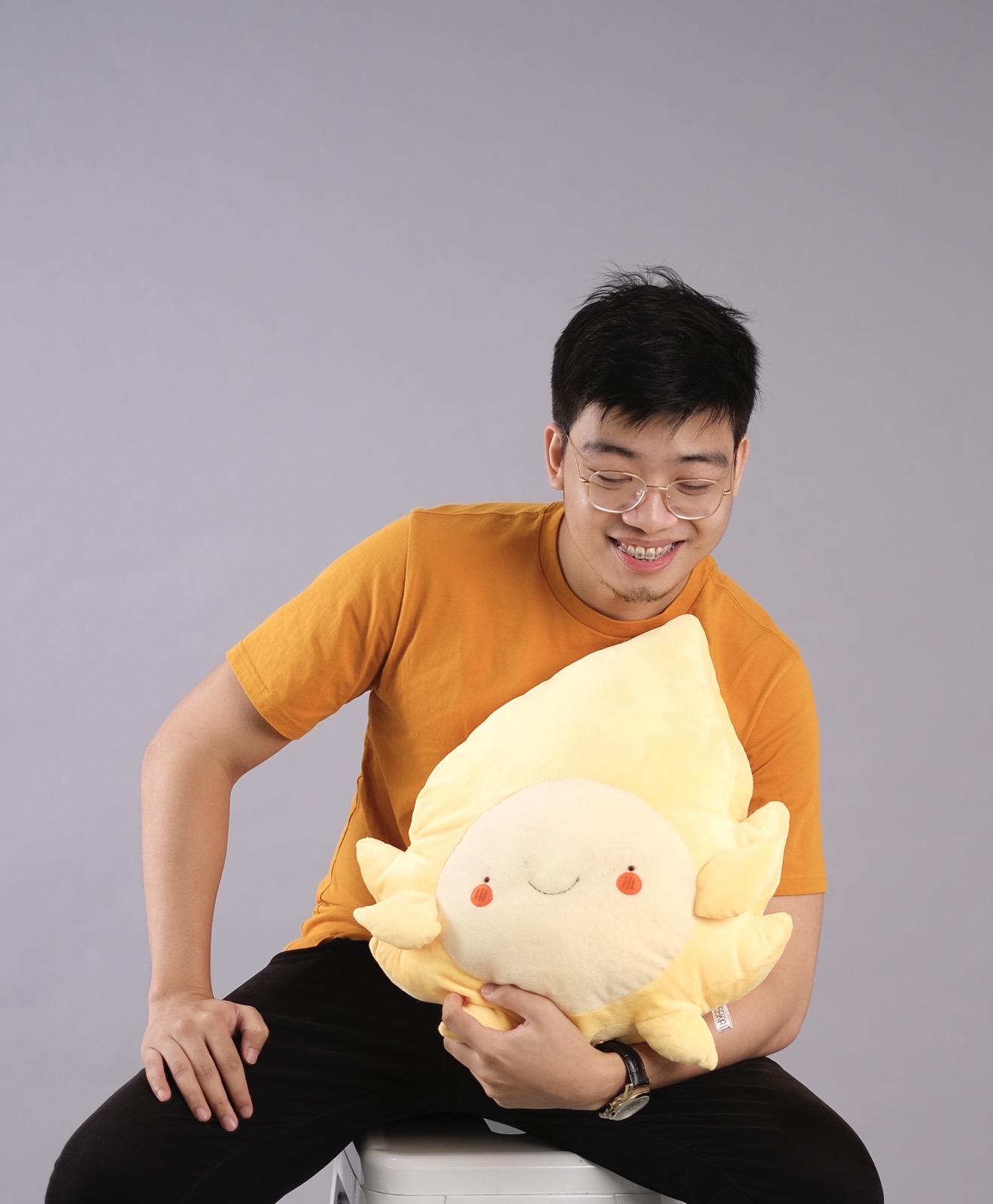
Allan Jeffrey “AJ” Bacar never planned for Sskait to become a long-term institution.
What began during a bus ride and grew through instinct, humor, and everyday observations now approaches a milestone few webcomic pages ever reach: ten years.
Most online comic projects disappear long before that. Algorithms shift, audiences move, creators burn out, and trends move faster than stories can settle. Yet Sskait remains, not frozen in nostalgia but still evolving with the same voice that first drew readers in.
For AJ, however, longevity raises a more difficult question than relevance.
Can Sskait survive beyond the version of himself who first created it?
The answer, it seems, has been forming for years.
The comic artist says the shift from “content page” to something heavier, something closer to legacy, began when Sskait started telling longer stories.
“When I started making long series,” AJ says, “I think that was the moment it felt like I’m leaving a legacy.”
He laughs while saying it, almost uncomfortable with the weight of the word itself.
“Legacy is such a term na parang ang bigat-bigat na responsibility,” AJ admits.
But the thought has stayed with him.
For someone whose comics often begin with spontaneous jokes and intrusive thoughts, AJ speaks about permanence with surprising clarity. The challenge is no longer simply creating the next strip or finishing the next series. It is imagining what remains afterward.
“My biggest challenge talaga sa Sskait,” AJ says, “is something na if nawala na ako sa mundong ito, I still would want it to continue and keep giving positive impact sa mga readers.”
That desire feels especially significant considering how much the digital world has changed since Sskait first appeared.
The comic page began before algorithms fully reshaped how Filipino creators distribute and package their work online. Entire platforms have changed their priorities since then, rewarding different formats and punishing others almost overnight.
Yet AJ describes Sskait’s evolution less as reinvention and more as adaptation.
“I’m just doing what I was doing before,” AJ says.

The stories remain familiar. The humor remains recognizably his. What changed, according to AJ, is mostly the way the work moves across platforms.
“Say noon, okay lang maglagay ng links sa caption,” he explains. “Ngayon, hindi na magandang practice kasi the algorithm doesn’t favor it.”
Different platforms also demanded different presentations.
“Sa Facebook, I post full comic,” AJ says. “Sa Instagram and TikTok, I had to make it per frame.”
The adjustment may sound technical, but it reflects something important about Sskait’s endurance. While platforms continue rewriting their rules, AJ has largely refused to abandon the core of the work itself.
The container changes. The comic does not.
That consistency becomes more apparent when AJ talks about newer comic creators entering the space.
Rather than seeing emerging pages as competition, he describes them with genuine excitement.
“Whenever I see new comic pages online, I feel happy,” AJ says.
The reason is simple.
“We are already a niche community,” he says, laughing. “And seeing other people reach success sa comics, it feels nice na, yes, buhay pa ang artform namin.”
His response feels less territorial than communal.
Support, AJ believes, benefits the entire industry.
“Kaya support talaga,” he says.
Asked what Sskait possesses that newer pages cannot replicate overnight, AJ hesitates.
Unlike creators eager to define competitive advantages or market positioning, AJ avoids grand declarations.
“Di ko din sure,” he says honestly.
“Kasi iba iba ang humor ng mga artists and storytellers.”
Or perhaps the answer lies in the community that formed around the page.
“Maybe the community na nabuo through Sskait?” AJ reflects. “Di ko rin sure exactly.”
What he does sound certain about is the value of more creators entering the field.
“The more comic pages, the better,” AJ says. “More collaborations can happen and it is good for the industry itself.”
That perspective aligns closely with how AJ imagines Sskait’s future.
Many creator-driven platforms remain inseparable from the personalities behind them. Once the creator steps away, the work often disappears too.
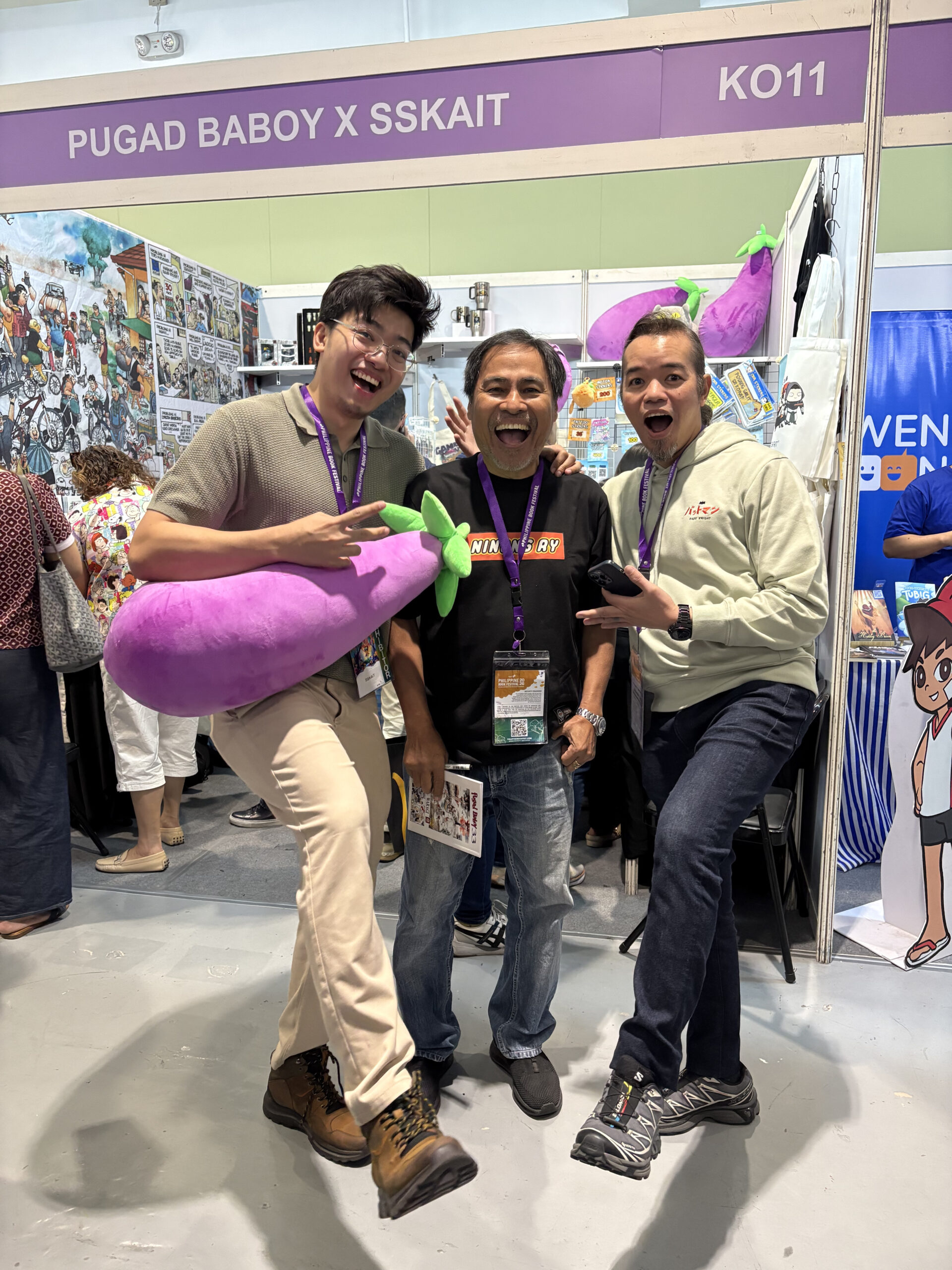
AJ hopes for something different.
“Yeah,” he says, “I want it to outlive me and continue serving its purpose.”
That ambition has become one of his defining challenges.
“It’s the challenge for me now,” AJ says.
Part of growing Sskait, he explains, means helping it sustain itself independently.
“I want it to be able to fuel itself and live on its own.”
The vision is surprisingly simple.
“Sskait without me,” AJ says with a laugh, “running on its own.”
But beneath the humor sits a serious aspiration.
He imagines the same humor, the same comics, and readers still gathering around them years later.
“Maraming readers na magbabasa pa rin,” AJ says. “And nagiging medium of conversation ng mga tao.”
The idea clearly appeals to him.
“Would be nice,” he adds.
If AJ could redesign the broader world of Filipino webcomics and digital art, his first answer arrives predictably wrapped in comedy.
“Kung parang Genie wish ko lang? Sana convertible to dollars ung reactions sa comics.” he jokes.
“I know it wouldn’t make business sense,” AJ says. “But… would be nice right?”
Behind the joke, however, sits a more serious concern about recognition.
“Sana dumami ang mga awarding bodies for humor,” AJ says.
The comment reflects something often overlooked in conversations about comics and digital art. Humor is frequently treated as effortless, casual, or secondary to more dramatic forms of storytelling, even when it demands immense craft.
“It takes a lot of effort and skill to do humor comics,” AJ says.
And for AJ, humor carries genuine value beyond entertainment.
“I know humor helps a lot of people in different ways.”
That belief may explain why Sskait continues to resonate nearly a decade later.
The page was never built around spectacle or prestige. It grew through jokes that felt familiar, stories that felt personal, and characters that mirrored the emotional messiness of everyday Filipino life.
Now, as Sskait moves deeper into its second decade, the question is no longer whether the comics matter.
The more interesting question is whether they can continue speaking long after their creator steps away.
AJ seems hopeful.
Not because he sees Sskait as untouchable or permanent, but because he believes stories can outgrow the hands that first drew them.
And perhaps that is what legacy means for a comic artist who once made stories to entertain friends and family.
Not immortality.
Just the hope that somewhere down the line, the laughter, comfort, and connection continue.