


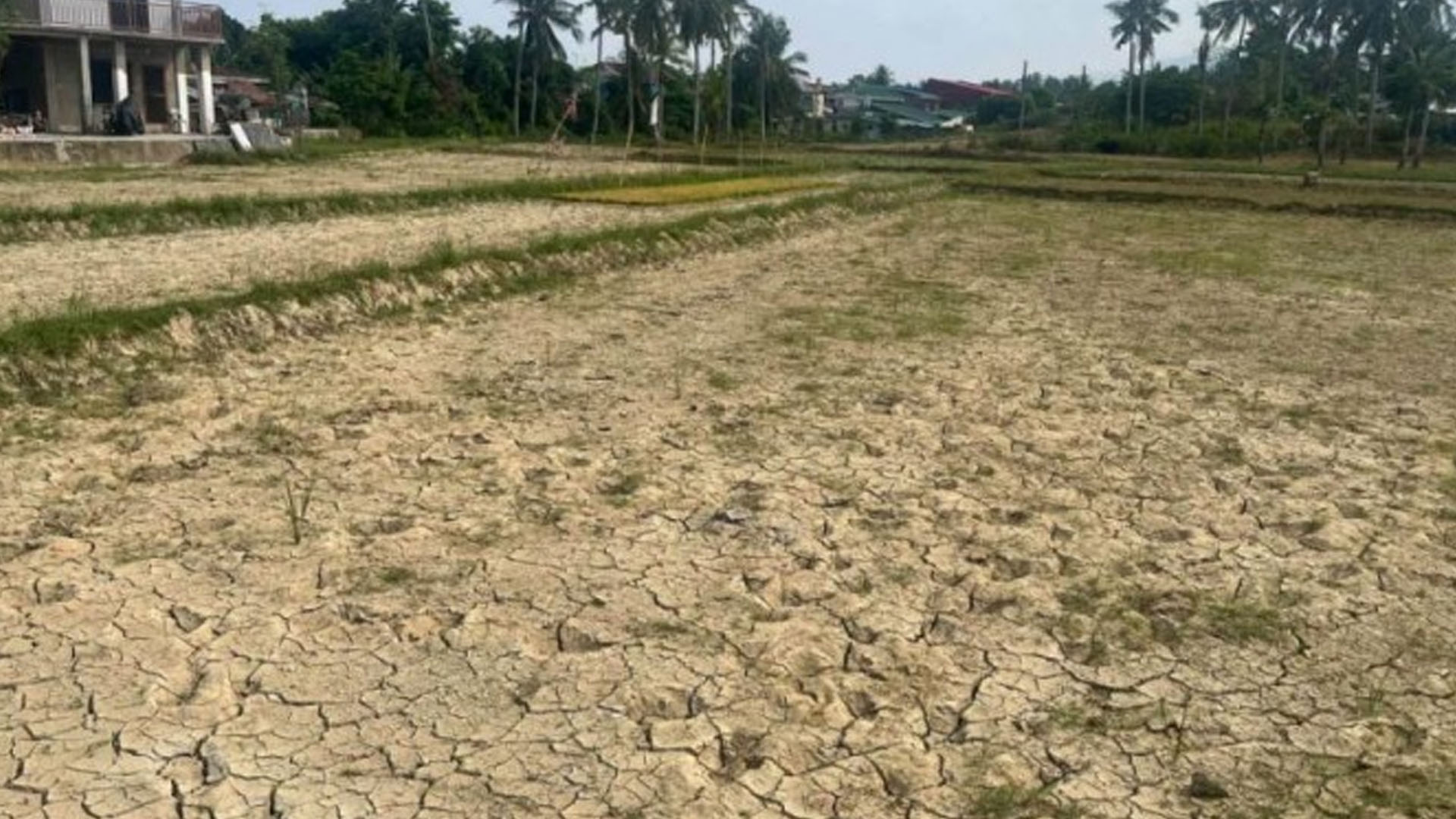






At least 30,013 hectares of rice farms in Eastern Visayas have been identified as highly vulnerable to El Niño, prompting the Department of Agriculture (DA) to map out measures to mitigate its impact.
DA Eastern Visayas Regional Executive Director Rodel Macapañas said in an interview Friday that the areas highly susceptible to drought are more than double the 14,185 hectares identified as vulnerable to flooding in the region.
The areas identified as highly vulnerable are the towns of Tabango, Villaba, Sta. Fe, Alangalang, Palo, San Miguel and Ormoc City in Leyte province; and Naval, Caibiran, Biliran and Almeria in Biliran province.
In Samar Island, these include Paranas, Pinabacdao, Villareal, Sta. Rita, San Jorge, Gandara and Sta. Margarita in Samar province; Quinapondan, Oras, Dolores, Sulat, Arteche, Taft, San Policarpo and San Julian in Eastern Samar; and Lavezares, Catubig, Pambujan and Las Navas in Northern Samar.
“In Eastern Samar, we have been closely monitoring the situation in Dolores since the town is a major rice-producing area, with 4,000 hectares planted,” Macapañas told the Philippine News Agency.
The DA has also identified less vulnerable or unaffected areas where it can promote higher yields to help the region achieve its target rice production of 800,000 metric tons this year.
“With the expected prolonged dry season, especially during the last quarter of this year until the first quarter of 2027, we will maximize production in less vulnerable areas,” he added.
The DA regional field office has also sought a PHP117 million budget for initiatives to address the phenomenon, including the acquisition of water pumps to support rice production in rain-fed areas.
“Our regular programs have been refocused on El Niño mitigation efforts to help our affected farmers,” the official said.
Macapañas said the office has been implementing a coordinated, data-informed preparedness plan to help the agriculture sector manage potential dry conditions associated with El Niño.
The DA has begun prepositioning agricultural support inputs, including drought-tolerant seed varieties, fertilizers, and irrigation assistance, to ensure their availability when needed. Existing support mechanisms, such as crop insurance, access to credit and market facilitation, are also being strengthened to help stabilize farmers’ incomes, he said. (PNA)