


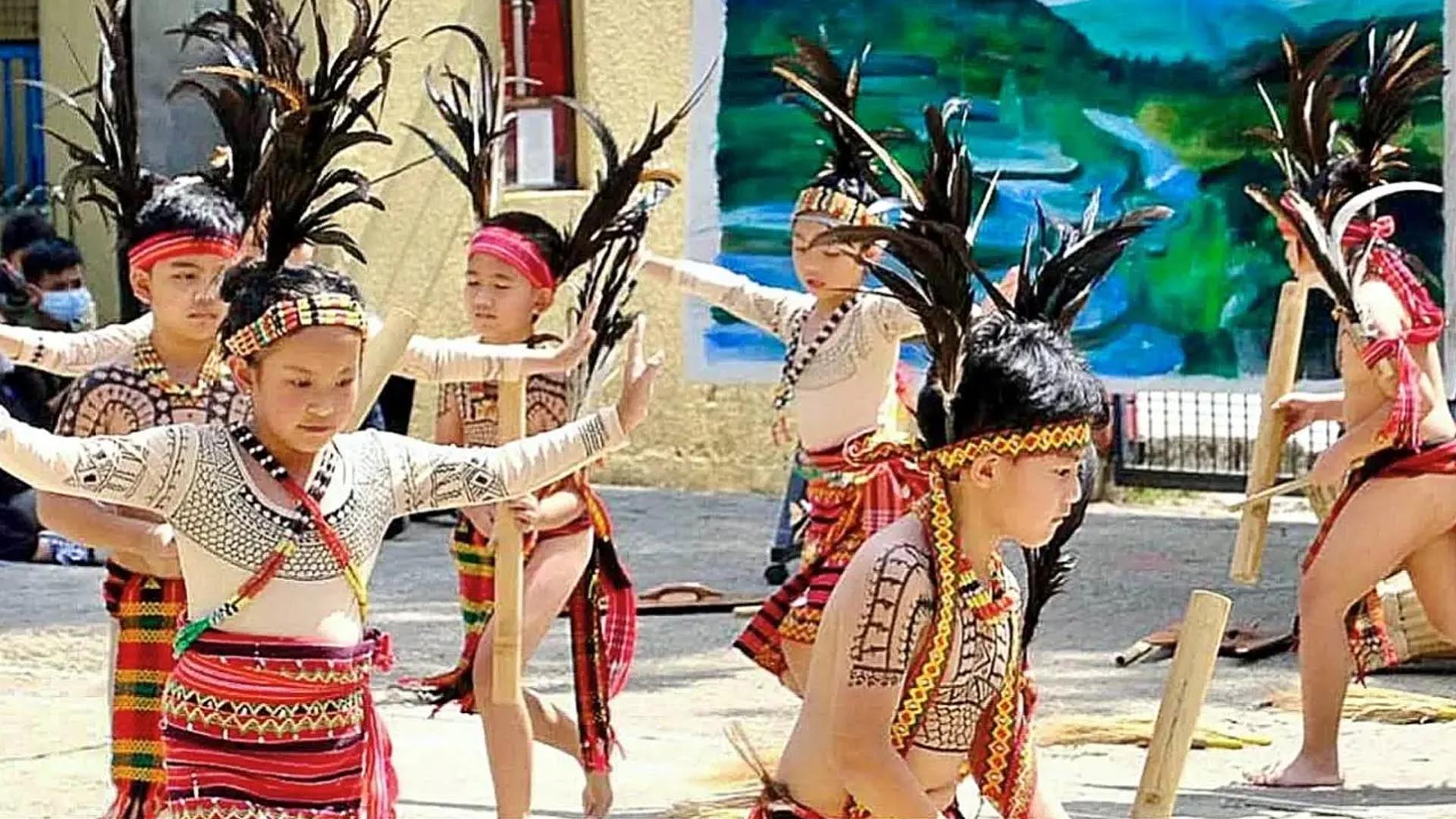






The City Health Services Office (CHSO) is developing health programs that will integrate indigenous healing practices into modern healthcare services while promoting cultural sensitivity and preventing discrimination against Indigenous Peoples (IPs).
City Health Officer Dr. Celia Flor Brillantes said Tuesday the office is gathering information on traditional health practices among indigenous communities in Baguio for possible integration into its programs.
“We are collating the indigenous health practices of our Indigenous Peoples so that we can incorporate them into our health programs,” she said.
The CHSO recently conducted a training session with Indigenous Peoples Mandatory Representatives (IPMRs) from the city’s barangays to gather information needed to develop the proposed programs.
Baguio is home to indigenous communities from the six Cordillera provinces of Abra, Apayao,
Benguet, Ifugao, Kalinga, and Mountain Province, as well as IPs from other regions of the country.
“We want to include the healing practices of the IPs and incorporate them with modern healthcare services to further improve the delivery of health services,” Brillantes said.
She added that the initiative also seeks to address concerns involving indigenous identity and discrimination.
CHSO information officer Karl Pagada said the discussions highlighted the need to bridge modern healthcare and indigenous traditions through mutual understanding and respect.
Among the traditional practices discussed were hilot, rituals, and prayers, which are sometimes subject to discrimination.
Pagada emphasized the need to carefully assess which indigenous practices can be safely promoted and integrated into modern healthcare to ensure culturally appropriate service delivery.
Participants also developed an action plan that will be further refined for integration into the CHSO program. It will include program schedules and tools for monitoring health concerns and identifying possible disease trends beyond those reflected in reported cases.
In a presentation, Dr. Marilou Cabinta, Medical Officer III of the National Commission on Indigenous Peoples, said indigenous cultural communities have long relied on traditional healthcare practices rooted in cultural beliefs, herbal knowledge, and communal care.
She noted that these practices remain particularly important in geographically isolated and disadvantaged areas, where access to modern healthcare services is limited. (PNA)