


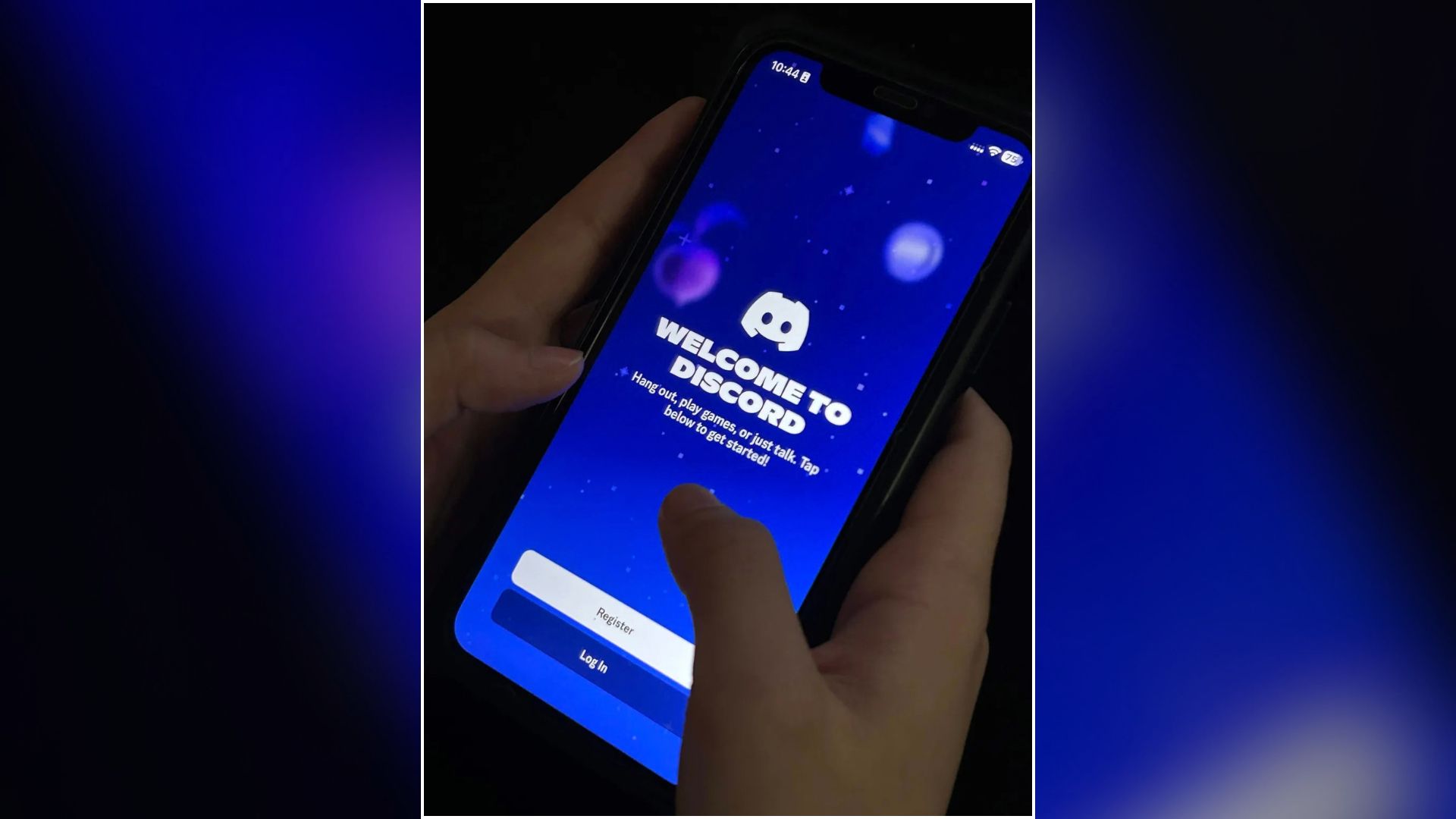



For nearly two days, thousands of Filipinos lost access to a platform they had come to treat as an office, a classroom, and a hangout. Now that Discord is back, one question deserves more than a passing thought: was this the right way to do it, or did the damage fall too heavily on people who did nothing wrong?
What Happened
On September 22, the Cybercrime Investigation and Coordinating Center (CICC) gave Discord and Reddit 24 hours to designate a local representative in the country. The agency said the platforms were being used to recruit and radicalize young people toward violence, citing a string of school shootings, including the September 18 incident in South Cotabato.
Reddit met with officials right away and was granted an extension. Discord sent only a letter. By September 23, following a directive from the National Telecommunications Commission (NTC), Discord was inaccessible on Globe and DITO, though it continued to work on Smart.
The next day, September 24, the block was lifted after Discord agreed to establish a presence in the Philippines, appoint a local point of contact, and open a direct line of coordination with the government.
Discord Is Not Just For Gaming
To many, Discord is simply a gaming app. But for a large part of the country’s digital workforce, it is a source of livelihood.
One of the loudest critics was Jeffrey Ian Dy, who pointed to communities like Barangay VA Helpdesk. By his count, the group has more than 12,000 members, all Filipino freelance virtual assistants. He also named servers like Nexus and Jobcord, and estimated that around 15,000 legitimate workers were affected. His point was a bitter one: because the government could not catch the criminals online, honest workers were made to pay the price.
Behind those numbers are clients who could not be reached, shifts left unfinished, and students cut off from their study groups in the middle of the semester. In an economy that celebrates freelancers and VAs as the new face of the Filipino worker, that sends a troubling message.
The Government’s Side
The CICC’s concerns should not be dismissed. The radicalization of young people online is a real threat, and children have died. The agency acknowledged that legitimate users were affected and said it sympathized with them, but maintained that preventing violence and the grooming of vulnerable youth justified acting quickly.
Some netizens agreed. In their view, foreign platforms will not act until they are pressured, and sometimes drastic steps are necessary. In the end, the government got what it wanted: a local presence and faster cooperation from Discord.
What Comes Next
With access restored, attention has shifted to how similar situations may be handled in the future. The government has secured its main demands from Discord: a local presence, a designated point of contact, and a direct coordination channel. Reddit made similar commitments and was never blocked.
Critics, including freelancers, students, and digital rights advocates, have raised concerns about the process itself, particularly the 24-hour deadline and the absence of a court order. Some have suggested alternatives, such as longer compliance periods, court-issued orders targeting specific accounts or servers, and consultation with affected sectors before any block is carried out.
Supporters of the CICC’s action argue that the threat of online radicalization calls for swift measures, and point to the outcome as evidence that pressure on foreign platforms can produce results.
Whether the September block will be treated as a one-time measure or a model for future enforcement remains to be seen. The legal questions raised by the Disini ruling have also not been formally tested in this case.