








The Philippines semiconductor sector got a capacity boost through the expansion of manufacturing firm Onsemi, which has several sites in Luzon and the Visayas.
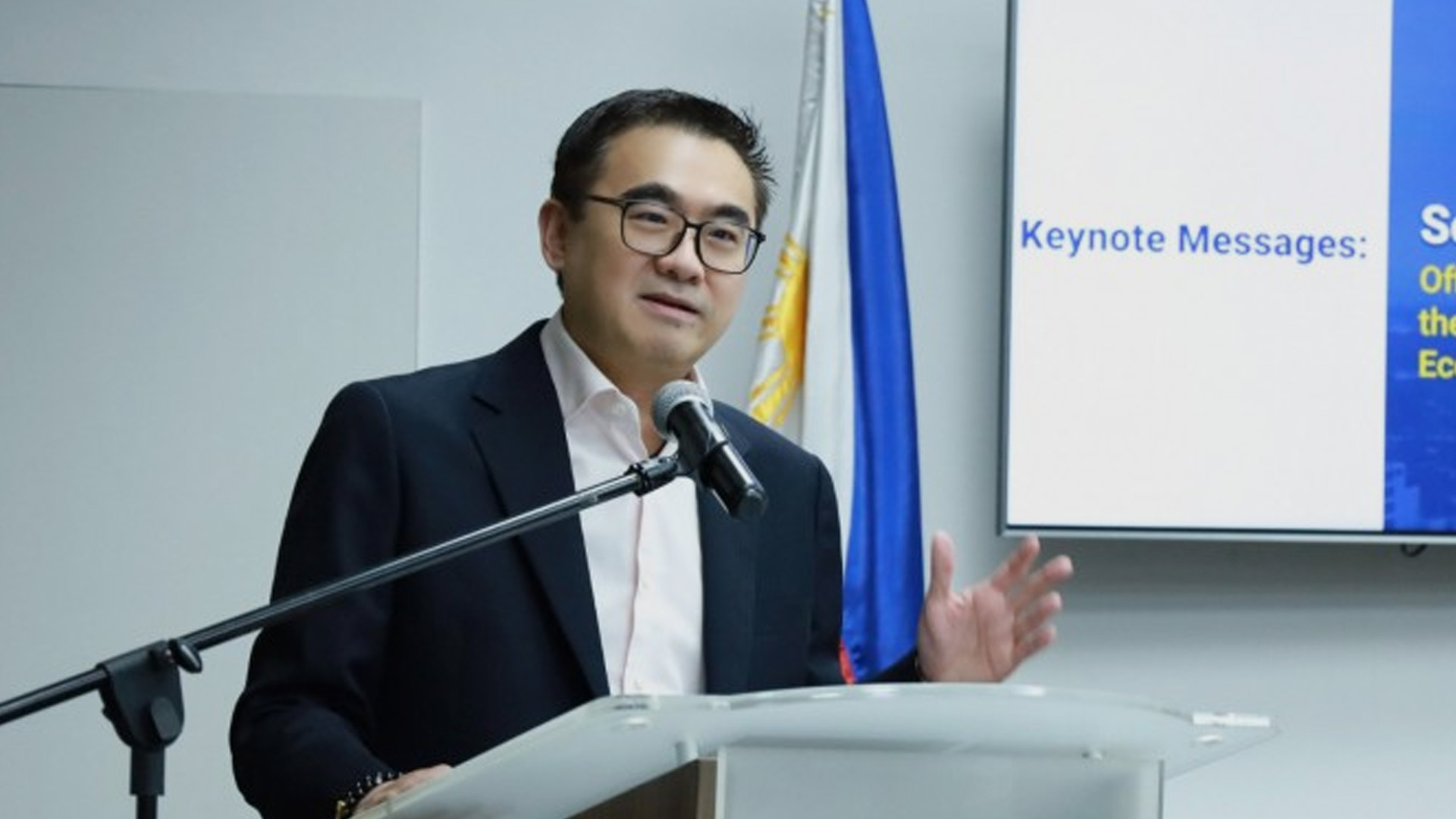
Finance Secretary Frederick Go, in a statement Monday, said he had a meeting with Onsemi president and chief executive officer Hassane El-Khoury in the U.S. last week.
The semiconductor manufacturing firm, formerly called ON Semiconductor, has been operating in the country for the past three decades and employs more than 6,000 employees in its manufacturing plants in Cavite, Tarlac and Cebu, as well as its service center in Alabang, Muntinlupa City.
El-Khoury, as cited in the statement said, said the firm’s local operations is a big contributor to the Philippines’ role in supporting global demand for foundational power chips, which are needed by hyperscale data centers, artificial intelligence (AI) infrastructure, and advanced storage systems.
“Virtually every technology that requires the conversion of electricity for data processing or storage relies on onsemi chips,” he said.
Go is thankful for the expansion bid, and cited the Philippine government’s support for reinvestment and expansion by existing foreign investors.
“The Marcos Jr. administration remains committed to creating an enabling environment where businesses can expand efficiently and competitively,” he said. “My office stands ready to assist businesses in accelerating their expansion plans in the Philippines.”
AI tie-up
Trade and Industry Secretary Ma. Cristina Roque, in a news release Monday, also cited as additional support to the Philippine Semiconductor and Industry roadmap the Philippines’ and the U.S.’s first-ever partnership to build an AI-native industrial acceleration hub, which the US Embassy in Manila announced last week.
The 4,000-acre hub is eyed to be constructed in Clark, taking advantage of the Luzon Economic Corridor.
“The AI-native industrial acceleration hub reinforces our semiconductor and electronics industry roadmap by linking our critical minerals advantage with our established strengths and by opening pathways toward higher value and advanced manufacturing,” she said. “The Philippines is already a vital player in the global electronics and semiconductor value chain. The initiative will significantly expand Philippine exports, not just in volume, but in sophistication, value, and strategic relevance.”
The country accounted for around 25.41 percent of global nickel exports in 2024, backed by domestic reserves estimated to be around 444 million metric tons.
Last year, the country’s mineral exports jumped to USD7.62 billion from year-ago’s USD6.20 billion. (PNA)