










Financial independence consistently ranks as a top aspiration for Filipinos according to a study by The Boston Consulting Group, and for good reason. After all, breaking free from financial anxiety and building a reliable safety net does more than secure the future—it fosters stability in other vital areas, including health and family life.
Realistically, achieving financial independence requires years of hard work, patience, and discipline for most people. Think of it as a step-by-step journey. Before reaching the ultimate goal, one has to work toward financial security first, or being able to fulfill current and foreseeable obligations without undue stress. There is no definite roadmap to this, but factors such as enhanced financial inclusion and adequate financial literacy help individuals get a head start.
Ownership of financial accounts among Filipino adults saw a significant boost in early 2026, rising to 58% in Q1 (vs. 48% in Q1 2025). This trend is supported by data from Bangko Sentral ng Pilipinas’ (BSP) latest survey that shows a parallel improvement in financial literacy: 74% of Filipinos can now correctly identify core financial concepts, up from 69% in 2021.
True financial inclusion, however, extends beyond merely opening an account; it requires active usage and engagement by being able to use financial products to save, borrow, and invest securely.
Recognizing this, Tala, an AI-native financial platform connecting capital to the global majority, is driven by a mission to bring the financially invisible into the global economy. It empowers customers to reach their aspirations while building a more robust and inclusive financial system for Filipinos.
Tala provides convenient and flexible online credit to over 14 million customers across Africa, Latin America, and Asia, moving beyond legacy requirements and leveraging real-time credit decisioning and proprietary risk intelligence. A decade of insights on thin-file borrowers in informal economies enables the company to accurately assess credit risk, making its underwriting models highly adaptable across markets.
As customers work toward financial security—and ultimately, independence—Tala provides more than just access to credit through Grow with Tala. This feature gives customers a transparent view of their growth path, showing their next guaranteed limit upon on-time repayment and the progress they’ve made so far.
Throughout their credit journey, they are also assured to be treated with kindness and respect aligned with Tala’s Debt with Dignity approach that not only encourages borrowers to honor their obligations but also empowers them to participate in the formal economy.
Lastly, Tala is championing financial literacy through its TALAkayan online video series that delivers simplified, easy-to-understand content on basic financial concepts to the global majority.
Measuring Impact
According to a 60 Decibels global study in 2025, 91% of Tala customers saw improvement in their overall quality of life, reporting better financial management and decrease in financial stress. Results also showed that borrowers have indicated a higher degree of financial resilience based on their ability to respond to financial emergencies.
Melanie, a housewife and Tala customer, shared how there was a time back in 2022 where she had to navigate life’s difficulties almost all at once. “It felt like a nightmare. I lost my job then I gave birth and my baby was diagnosed with pneumonia. That’s when everything started to spiral and we fell deeper into debt,” she said. With nowhere else to turn to, she put her trust in Tala to help her start over.
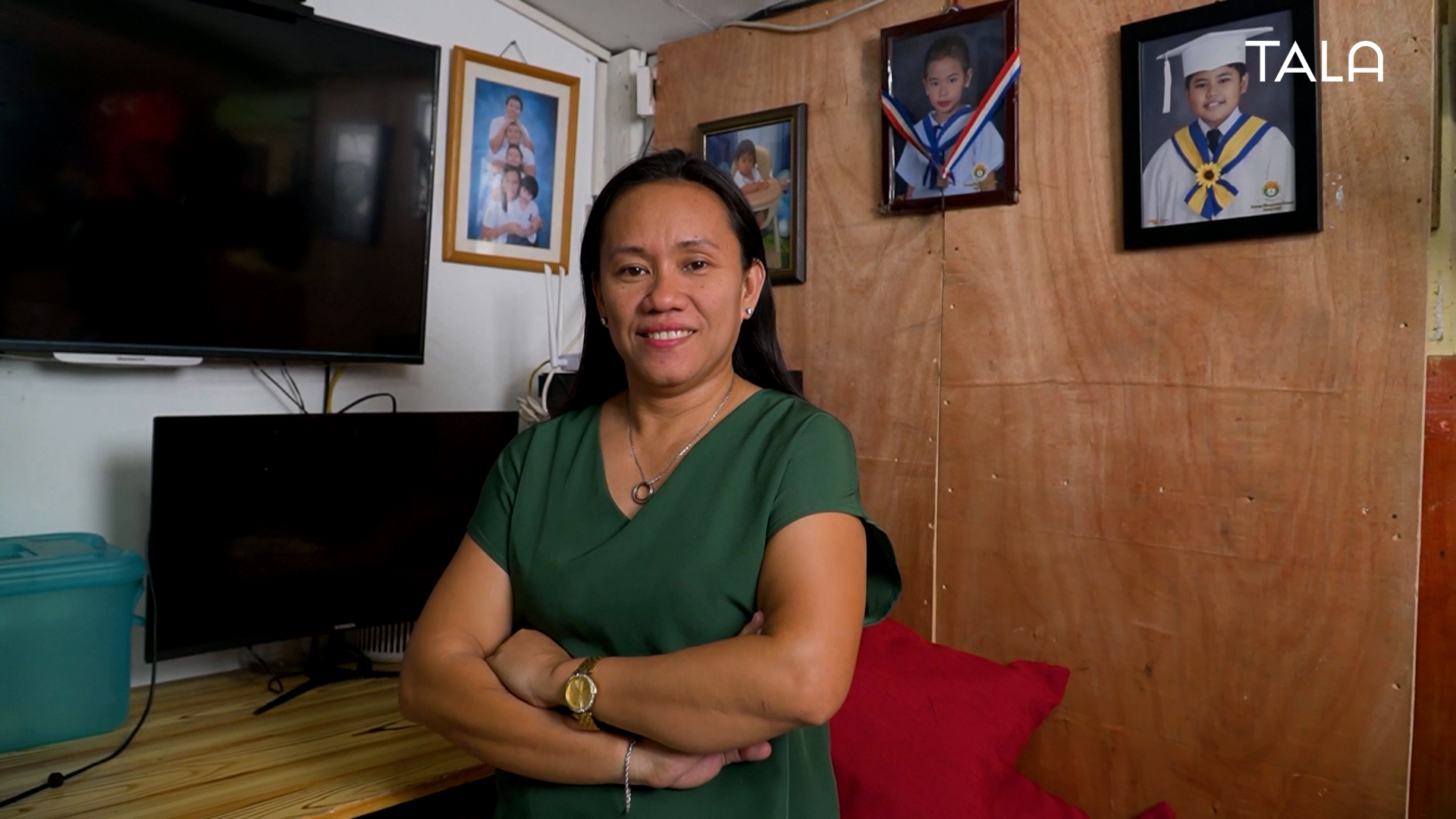
As her loan limits increased, she was able to better manage her family’s monthly expenses and gain confidence in making financial decisions. “To anyone who has gone through what I experienced, don’t lose hope and just keep holding on.”
“Stories like Melanie’s reflect how the journey to financial independence is not a one-way street. At Tala, our infrastructure is built to level the playing field for our customers so they can unlock more opportunities to improve their financial well-being,” said Moritz Gastl, General Manager, Tala Philippines.
By fostering a financial ecosystem built on trust and driven by technology, Tala ensures that Filipinos can lay the foundation for a secure and stable future, allowing them to transition from merely surviving to actively thriving in the global economy.