








The city government is preparing contingency measures for possible Super El Niño impacts on water supply, energy, food security, health and the local economy.
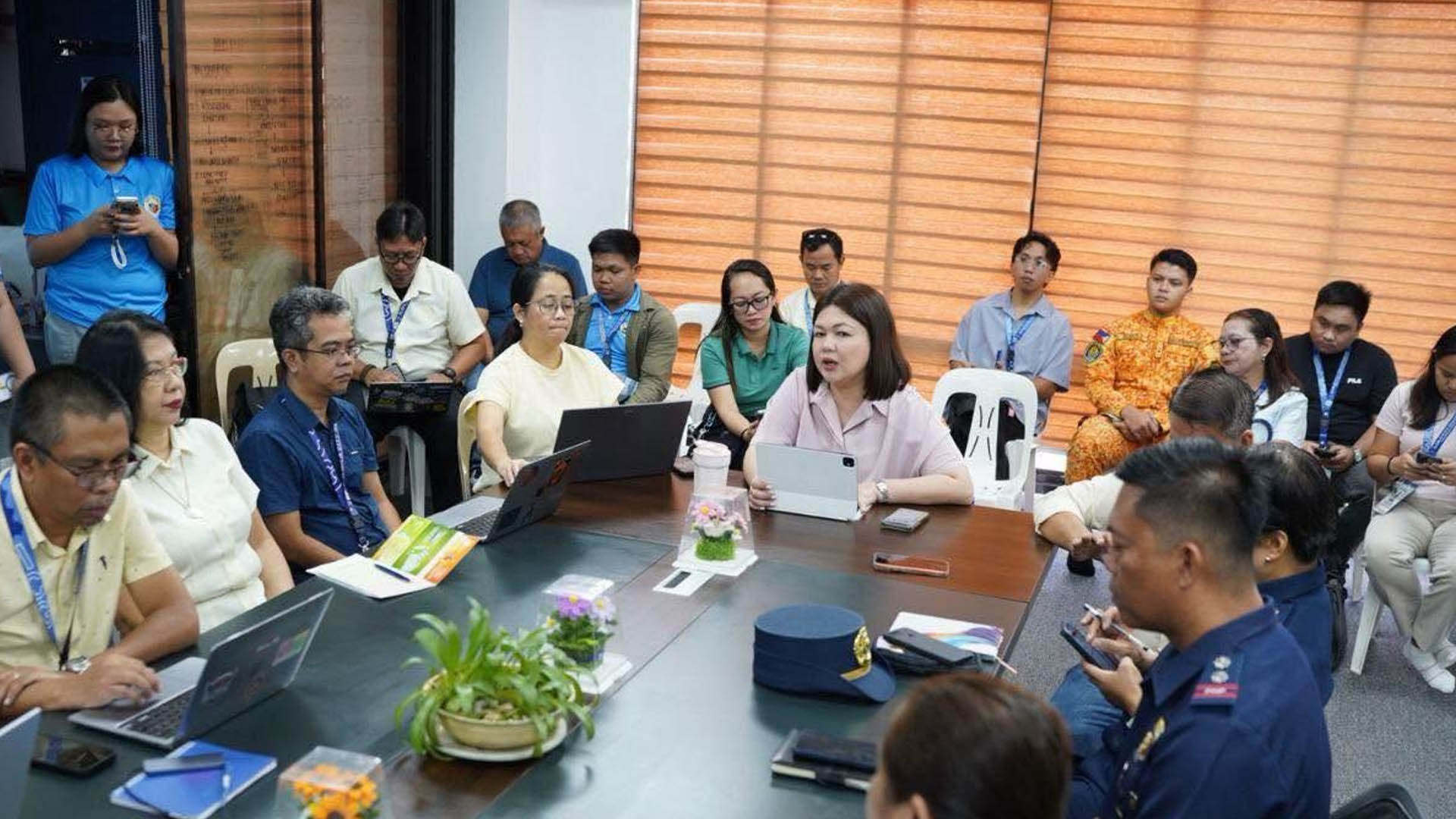
Mayor Raisa Treñas convened the Crisis Management Council on Thursday for an emergency meeting to assess possible scenarios and corresponding responses.
Neil Ravena, head of the General Services Office, said the city is preparing for four scenarios based on the severity of the phenomenon: normal, below normal, way below normal and dry season.
“All disaster teams were asked to submit preparations for categorized scenarios,” Ravena said in an interview.
Based on the city’s projections, temperatures could produce a heat index of up to 48 degrees Celsius from February to March next year.
Ravena said the city is considering reopening cooling hubs and coordinating with the business sector to make portions of commercial establishments available to the public during periods of extreme heat.
It is also preparing measures for possible water shortages in 25 barangays identified as vulnerable to water scarcity.
“The mayor wanted an assurance that the problem of water scarcity will not result in problems on health,” Ravena said.
The city is also anticipating possible energy and fuel supply challenges.
Ravena said Iloilo’s location at the end of the power grid makes it vulnerable to supply constraints.
Reduced rainfall could also lower water levels in dams and affect power generation, he said.
Fuel costs could further strain the city’s resources, particularly if water rationing requires additional hauling. Ravena said the city’s fuel allocation was still based on a price of PHP60 per liter.
“Based on the scenario presented by the City Disaster Risk Reduction and Management Office, we will be submitting our programs, plans and budget,” he said.
The response cluster was tasked with preparing a contingency plan covering administrative support, logistics, food security, local price monitoring, public information and advocacy, critical infrastructure, law and order, health security, fleet management and energy conservation.
The city assessment indicates that the effects of El Niño could be felt through December, with the worst-case scenario potentially extending into the second half of 2027. (PNA)